

Sewing - Vintage Baby Shoes
Sewing a pair of baby slippers from special or recycled fabrics.
Teacher: Melissa Wastney
Description: In this class we will sew a pair of special, reversible baby shoes using fabric that is special to you. These shoes have been sold in galleries and show around the world for the last 8 years and she has recently published the pattern for others to use in her new book "Sweet and Simple Handmade".
Materials: Students could bring their own piece of special fabric, such as a meaningful piece of embroidered linen or other textile, a small piece of cotton corduroy, cotton stretch fabric and lining fabric (we will explain all this in an email if you are doing the class). Melissa will also bring a selection of fabrics to choose from. Students will also need to BYO sewing machine* as well as bring scissors, thread and pins.
*If you are travelling some distance to the event or just would prefer not to bring your own machine please contact us. We will have some machines available.


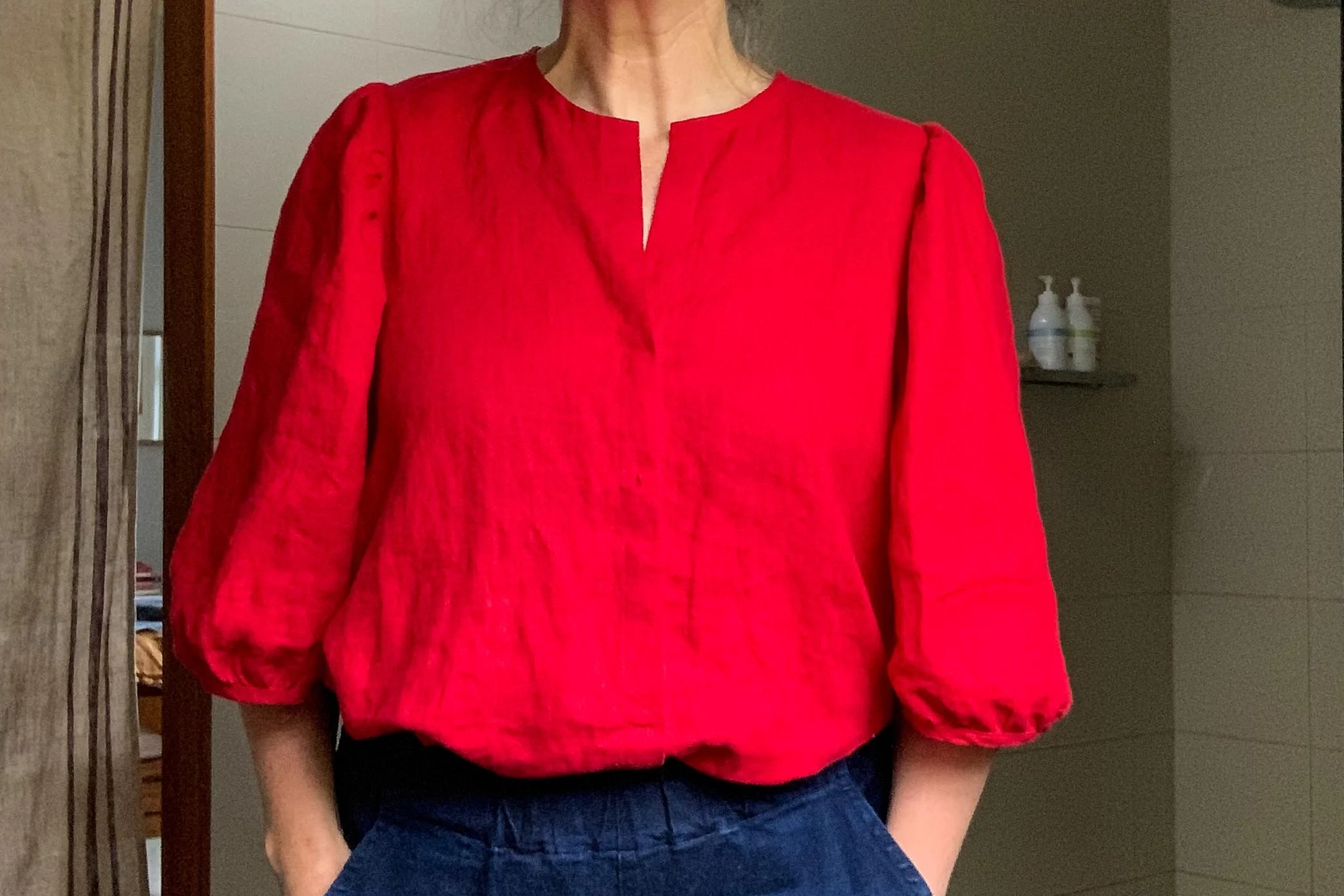
So I wrote last week a post asking “Is my making fast fashion?”. And then I did a video on Instagram discussing similar topics in a slightly different way. And as always, you lovely humans have helped me clarify some of my thinking with your thoughtful, clever commentary.
And while I think there is so much more to discuss, here are four key possibly-more-meta ideas that have come up for me out of those conversations.
In using the quote last week that suggested that there was no single answer, and suggesting that this was freeing, I really did mean that we should sit in the grey. Not that the lack of “an” answer to this question should mean we get to ignore the question but rather that the lack of “an” answer means that we need to keep asking bigger more beautiful questions. And keep asking them.
Is my making fast fashion?
Am I living my values or merely thinking them?
And how can I make those two things a little more aligned in this moment?
These are my big beautiful questions.
Yours might be different.
And importantly this leads to point 2.