

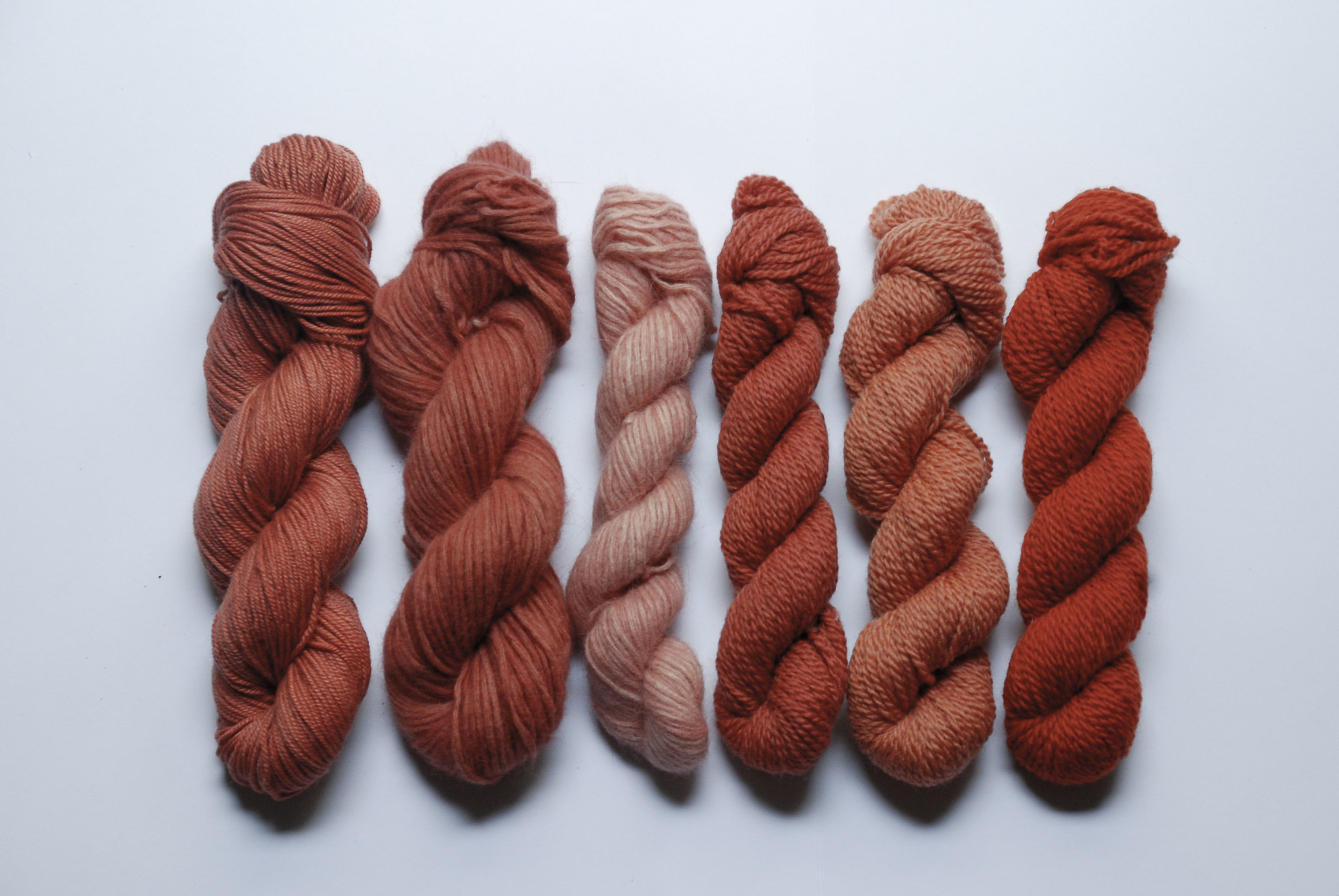


Learn how to coax 25 different shades of colour from one natural dyebath.
Teacher: Julia Billings
Description: In this full-day workshop, you will learn the steps involved in preparing and working with a natural dyebath and how to use mordants and modifiers before and after dyeing to achieve a wide range of colours from the same pot.
Working with an old and exotic dyestuff, this workshop will cover the key aspects of natural dyeing with yarn and fabric; fibre preparation and mordanting, sourcing dyestuffs, preparing the dyebath and safe dyeing practice. We’ll also discuss over-dyeing to create complex colours, keeping records of dye experiments and other tips for dyeing with plants and other natural materials.
Materials: There will be a materials fee of $15 to cover yarn, fabric, dyestuff and other materials. Please bring a pen and notepad and dress warmly as the workshop will take place outside in early spring. Natural dyes can stain clothing and footwear so bring an apron and be sure to wear something dark or old.
Takeaway: Participants will take away samples of yarn and fabric dyed in the workshop and comprehensive notes on the dyeing process.
Level: Beginner
Workshop Length: Full day
Learn how to coax 25 different shades of colour from one natural dyebath.
Teacher: Julia Billings
Description: In this full-day workshop, you will learn the steps involved in preparing and working with a natural dyebath and how to use mordants and modifiers before and after dyeing to achieve a wide range of colours from the same pot.
Working with an old and exotic dyestuff, this workshop will cover the key aspects of natural dyeing with yarn and fabric; fibre preparation and mordanting, sourcing dyestuffs, preparing the dyebath and safe dyeing practice. We’ll also discuss over-dyeing to create complex colours, keeping records of dye experiments and other tips for dyeing with plants and other natural materials.
Materials: There will be a materials fee of $15 to cover yarn, fabric, dyestuff and other materials. Please bring a pen and notepad and dress warmly as the workshop will take place outside in early spring. Natural dyes can stain clothing and footwear so bring an apron and be sure to wear something dark or old.
Takeaway: Participants will take away samples of yarn and fabric dyed in the workshop and comprehensive notes on the dyeing process.
Level: Beginner
Workshop Length: Full day
We all have the capacity - and often the desire - to deny truths that show us engaged in things we know aren’t ideal. To minimise, avoid, distract and rationalise our way to feeling OK with our choices and our behaviour.
And it makes sense. It’s human to avoid the hard stuff, especially when that hard stuff involves us changing behaviours we enjoy. I do it. Regularly. And I’ve been doing it regularly in my making, for many years, in many ways.
“The term fast fashion refers to ….speedy production of ….clothing, ….. in order to meet the latest and newest trends.”
I do this. I produce things in a speedy way in order to meet the latest and newest trends.
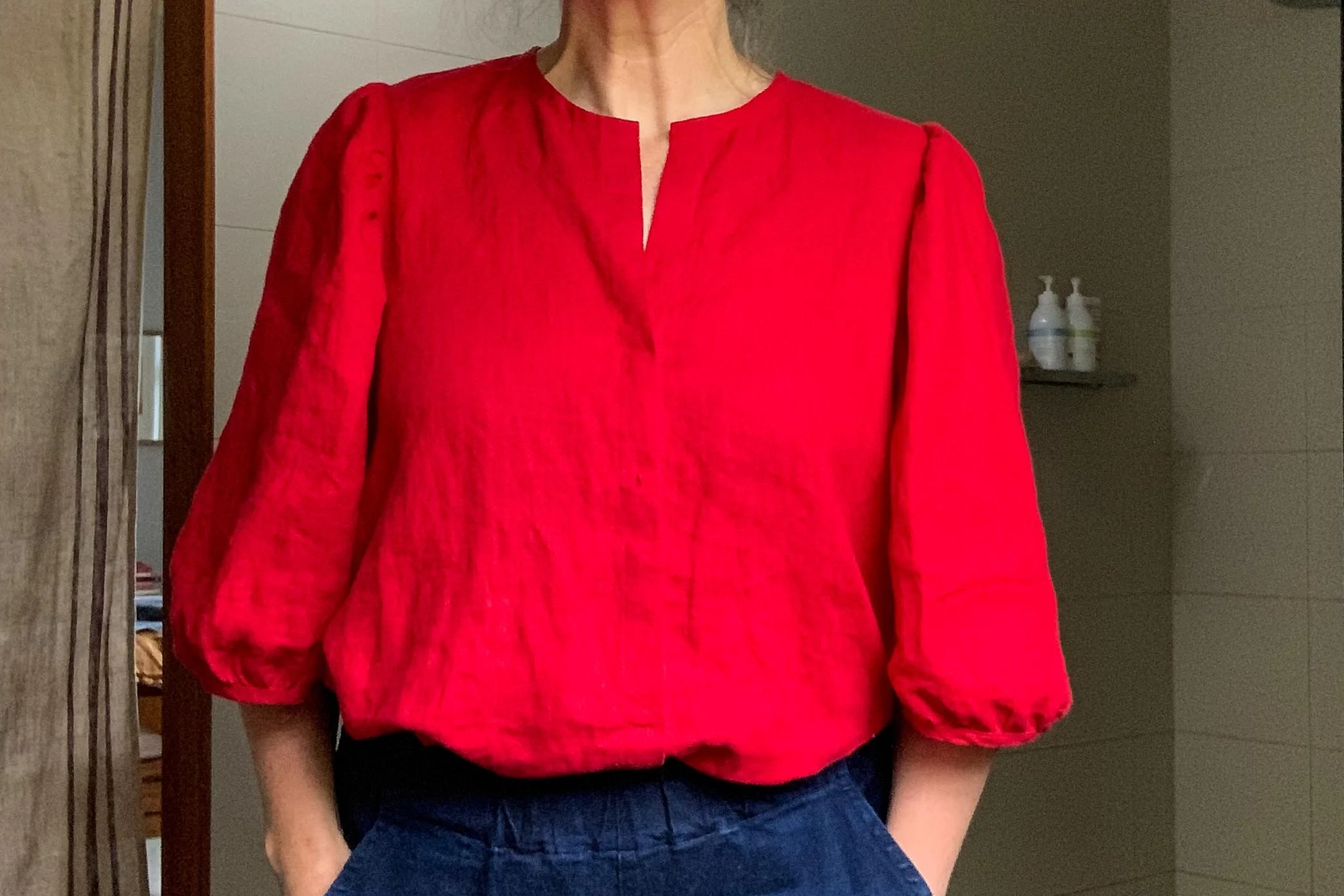
So I wrote last week a post asking “Is my making fast fashion?”. And then I did a video on Instagram discussing similar topics in a slightly different way. And as always, you lovely humans have helped me clarify some of my thinking with your thoughtful, clever commentary.
And while I think there is so much more to discuss, here are four key possibly-more-meta ideas that have come up for me out of those conversations.
In using the quote last week that suggested that there was no single answer, and suggesting that this was freeing, I really did mean that we should sit in the grey. Not that the lack of “an” answer to this question should mean we get to ignore the question but rather that the lack of “an” answer means that we need to keep asking bigger more beautiful questions. And keep asking them.
Is my making fast fashion?
Am I living my values or merely thinking them?
And how can I make those two things a little more aligned in this moment?
These are my big beautiful questions.
Yours might be different.
And importantly this leads to point 2.