What scraps ask of us….
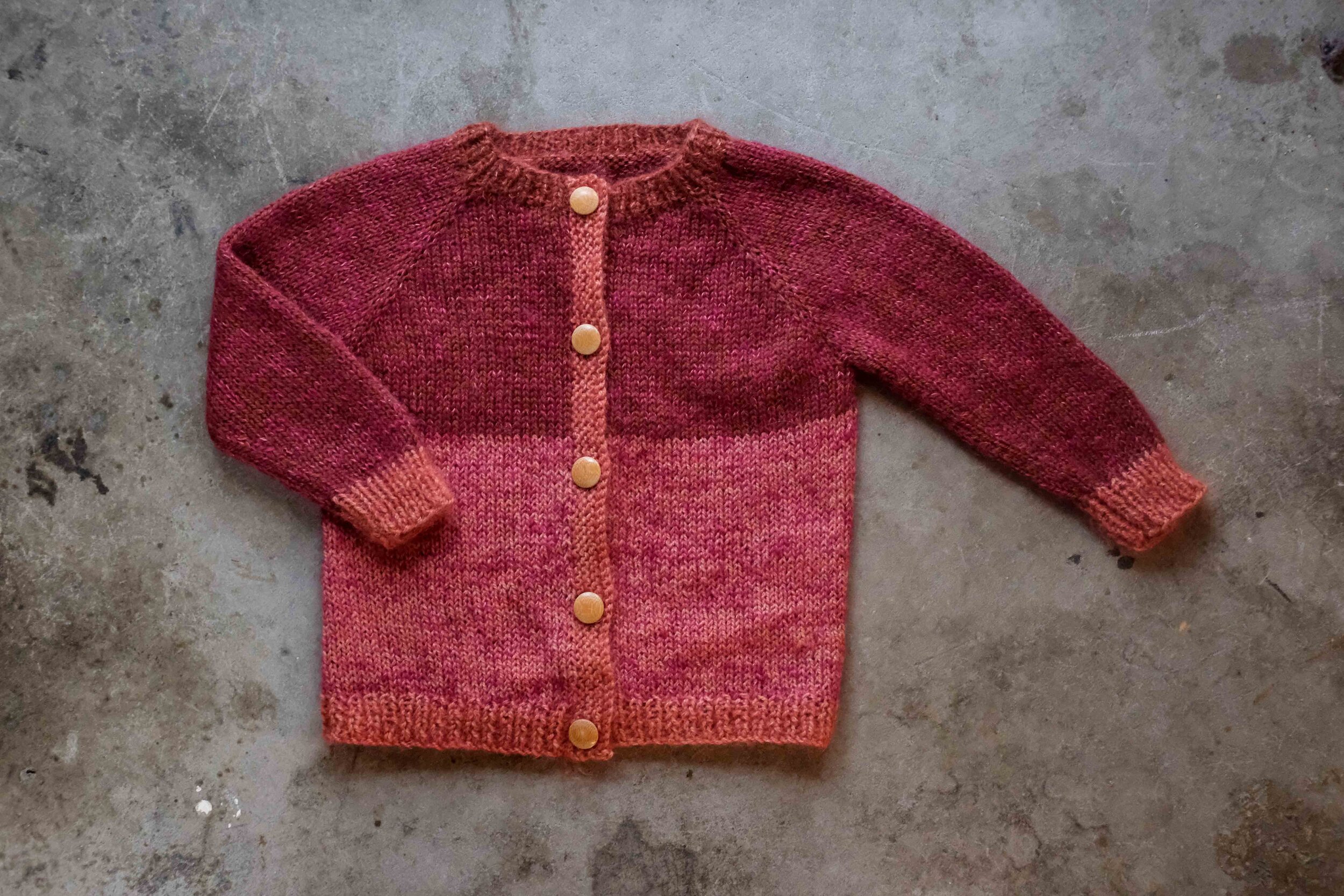
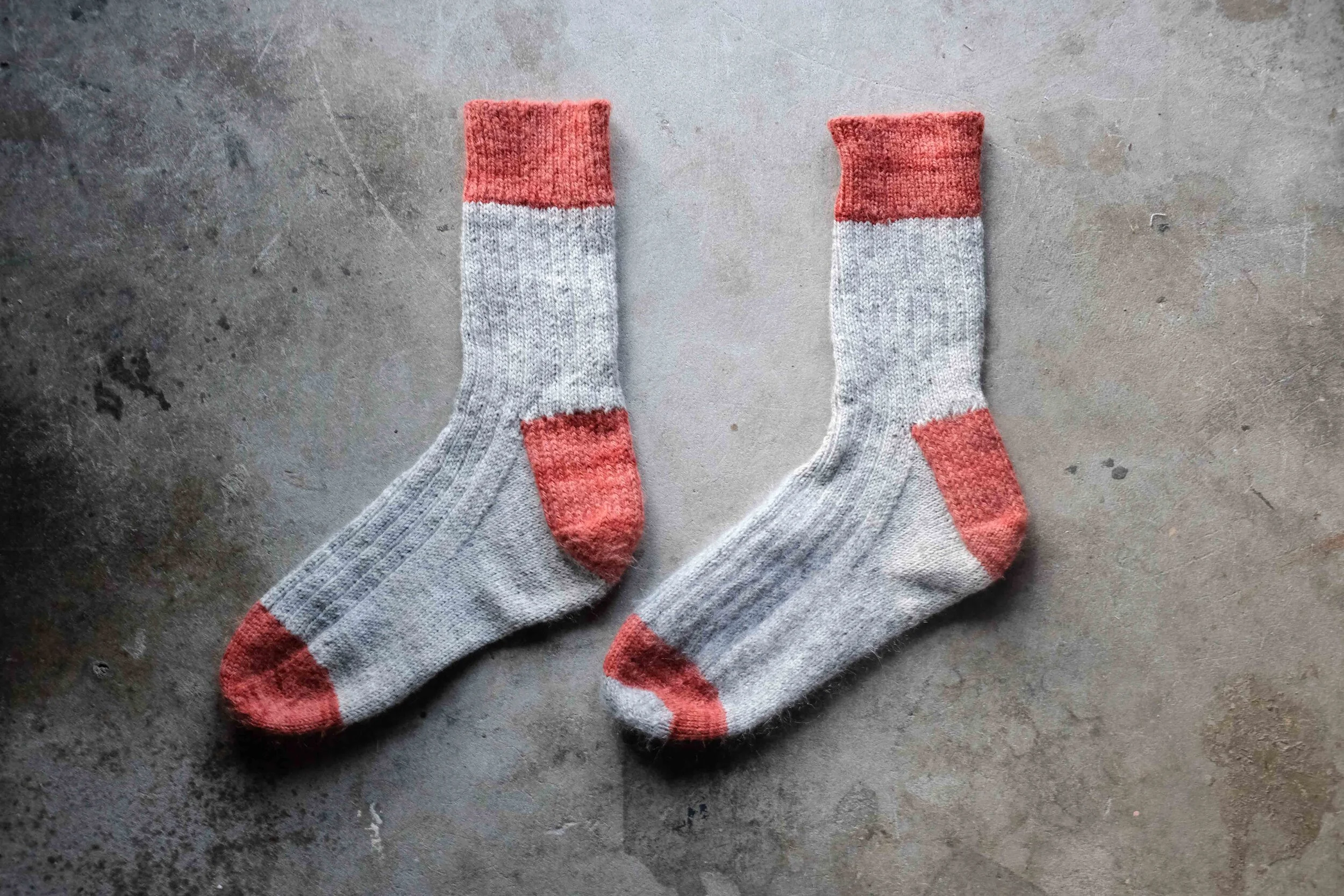
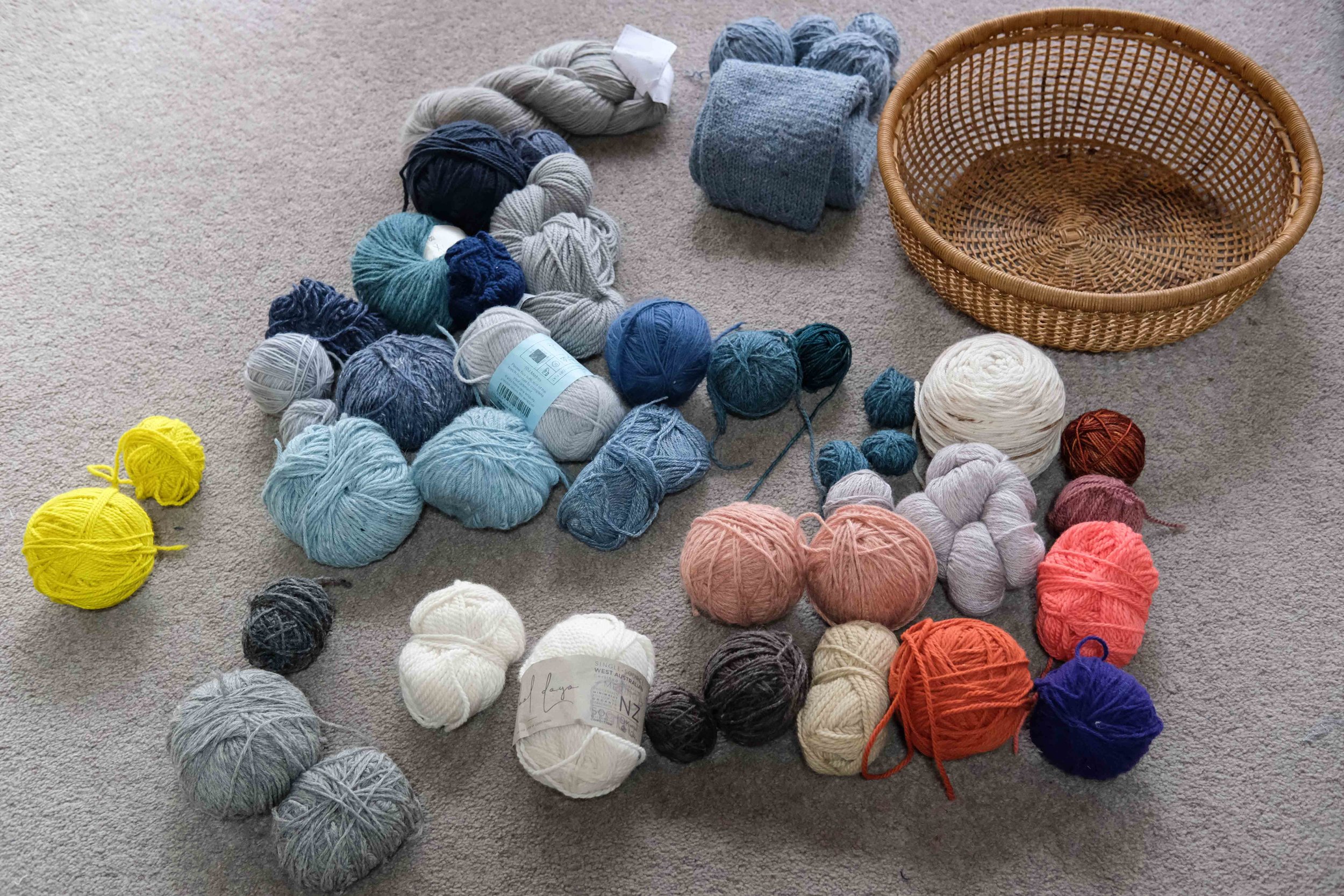
My most successful scrap projects are ones where I have really put in the time and effort to plan, while also acknowledging that planning only takes you so far and so ripping will be part of the process. Using scraps means that often the only way to see if it works is to try it and see if it works. There is no alternative.
For those of you to whom rippings sounds horrifying, I wrote a post called Ripping For Joy a few years ago that talks about why and how to enjoy #rippingforjoy, but in the case of scrap projects learning this skill is essential. Without ripping, scrap projects are destined for the scrap heap.
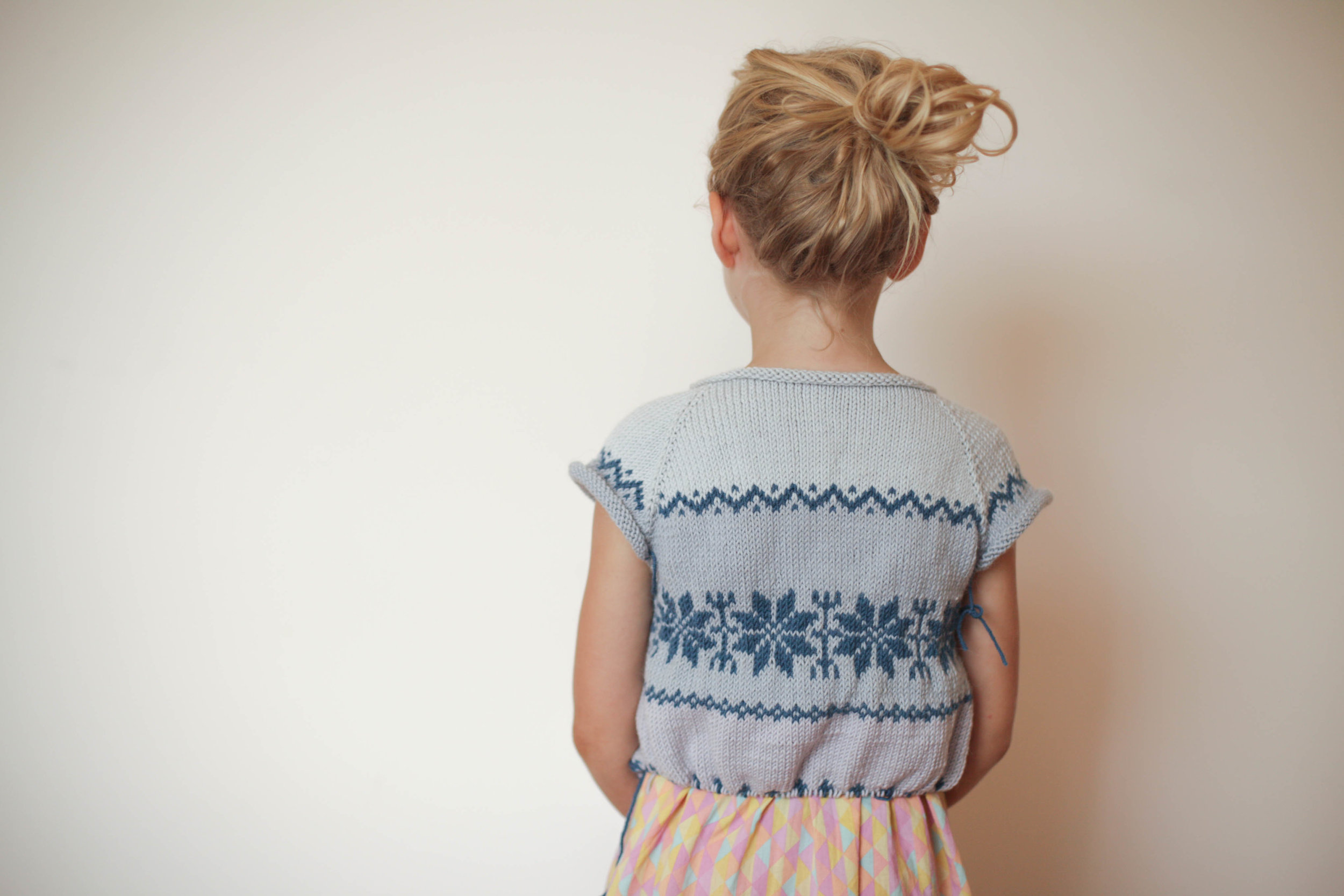
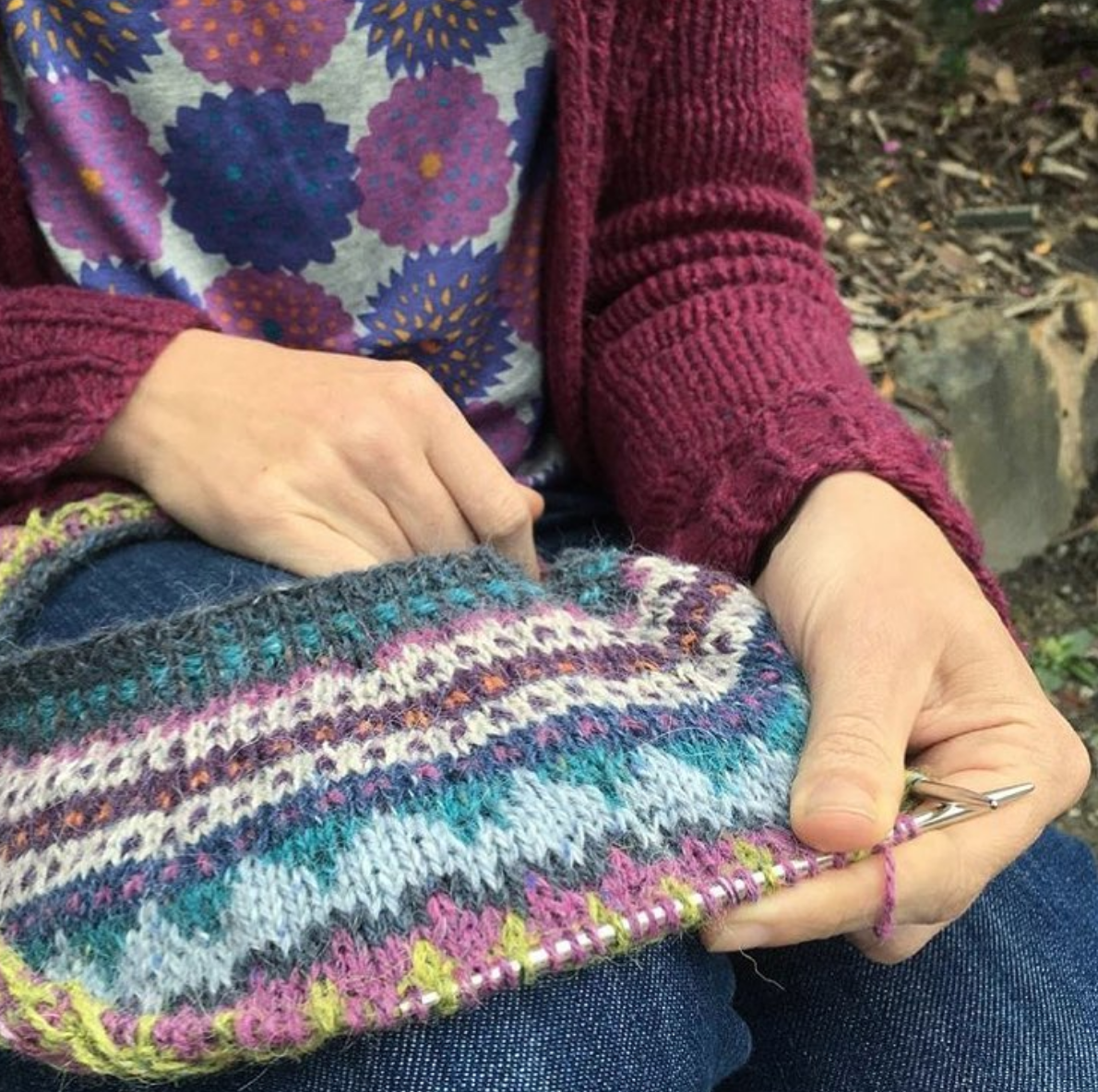
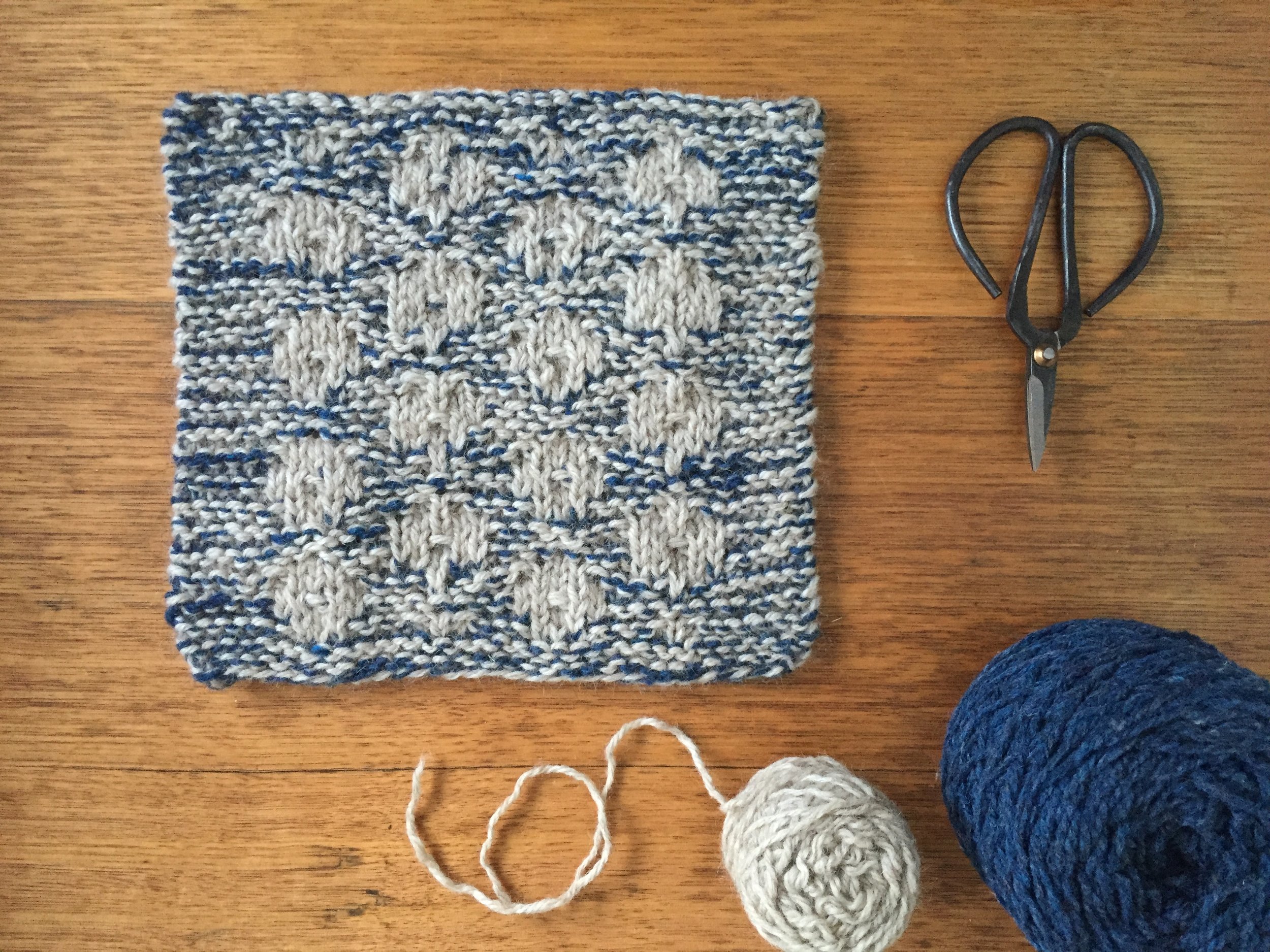
A case in point - the pretty little silver and blue colourwork cardy above was ripped more than once in order to get the scraps to blend. Instead it has been worn for years and is a favourite.
In order to make with scraps you need to plan but then step into the uncertainty. There is no right answer, your gut instinct may be wrong and you may need to try again. But with each time you try you learn a little bit more about what you like and what will make these particular scraps sing Hallelujah.
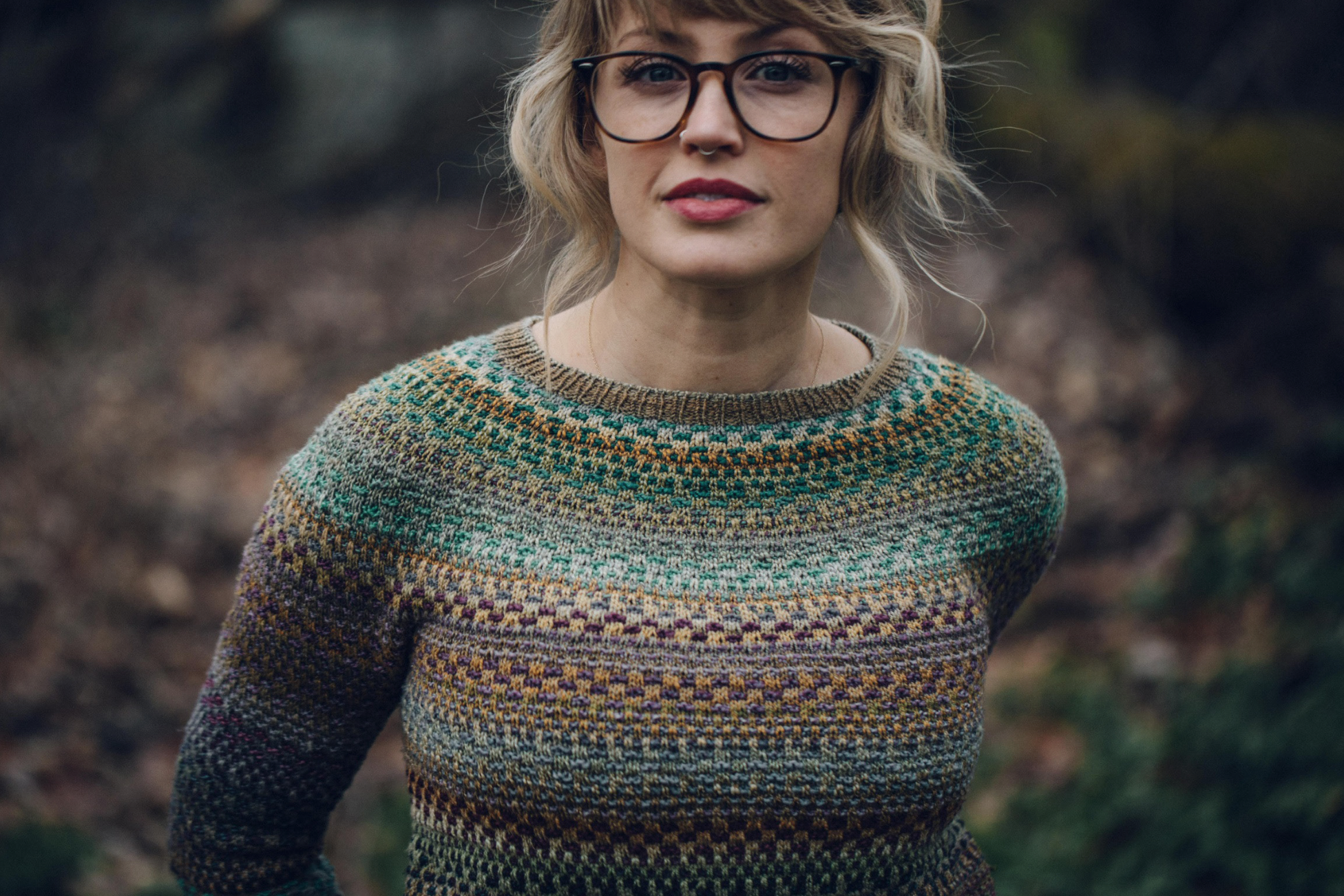
What I’ve also learned from sitting in on Mary Jane Mucklestone’s classes last year are that you don’t always know what will work when you combine it. Sometimes something really ugly looks beautiful when you combine it with something else. Sometimes you need to leave something you don’t like, and add something else on top before truly deciding if it works or not. Sometimes the adding of another colour really grounds the ugly into something beautiful. A little basic colour theory – ala Joseph Albers – can help this make sense if it’s new to you but the jist is that a colour will look totally different depending on what colour surrounds it.
Scrap projects involve our creativity and our problem solving nouse. They involve stepping into uncertainty and sitting with the possibility of failure and not making it mean anything. Scrap projects will inevitably have moments of failure littered in their wake because they involve us using and creativity – and creativity cannot exist without the possibility of failure. Because making without the possibility of failure is simply following instructions to the letter – which is not a creative act.
But all that said, when they work, which they often will, they can become some of the things we are most proud of. These projects can cause our little precious hearts to “leap like a newborn lamb” everytime we spot them out of the corner of our eyes*











So I wrote last week a post asking “Is my making fast fashion?”. And then I did a video on Instagram discussing similar topics in a slightly different way. And as always, you lovely humans have helped me clarify some of my thinking with your thoughtful, clever commentary.
And while I think there is so much more to discuss, here are four key possibly-more-meta ideas that have come up for me out of those conversations.
In using the quote last week that suggested that there was no single answer, and suggesting that this was freeing, I really did mean that we should sit in the grey. Not that the lack of “an” answer to this question should mean we get to ignore the question but rather that the lack of “an” answer means that we need to keep asking bigger more beautiful questions. And keep asking them.
Is my making fast fashion?
Am I living my values or merely thinking them?
And how can I make those two things a little more aligned in this moment?
These are my big beautiful questions.
Yours might be different.
And importantly this leads to point 2.